Fremont sits at an interesting intersection. You have light industrial parks near Auto Mall Parkway, dense retail around Pacific Commons, a growing biotech footprint, and a large spread of small professional offices along Mowry and Paseo Padre. Security risks vary across that mix. A cafe owner by the BART station sees different threats than a robotics startup in Ardenwood. If you’re weighing an upgrade to cameras, access control, or alarm monitoring, numbers from the area and broader Bay Area trends can help you spend wisely rather than broadly.
What follows draws on practical experience specifying systems for Fremont clients, close reading of Fremont Police Department (FPD) reporting patterns, and Bay Area risk signals that show up in insurance claims and vendor install logs. Where hard public numbers are scarce or dated, I call it out and explain the likely range and reasons.
The signal from Fremont’s crime data, and what it actually means
Citywide statistics rarely tell the whole story. Fremont consistently posts lower violent crime rates than many Bay Area cities, and that matters for employee safety planning. Property crime is the main business risk here. Over the last several years, the pattern looks like this: theft from vehicles spikes near shopping corridors and transit hubs, commercial burglary concentrates in light industrial zones, and catalytic converter theft clusters overnight in larger parking lots. Package theft stays steady in mixed-use pockets, especially near denser housing.
Here’s the nuance that owners miss. A single high-profile incident can skew perception and trigger spending sprints that don’t match the risk landscape. What you want is trendline thinking. In Fremont, commercial burglary tends to occur after hours, often between midnight and 4 a.m., with entry through rear doors or roll-up bays. Smash-and-grab retail incidents, when they occur, tend to be under three minutes, so the deterrent value of rapid attention and visible systems beats delayed human response.
If you only upgrade one layer, put attention on verified detection. Motion events alone produce noise. Systems that link detection to visual confirmation reduce false alarms and accelerate police response when it counts.

Fremont business security statistics that matter before you buy
The most useful numbers are not always the ones the city publishes. You can piece together a working picture from incident maps, vendor service logs, and insurance adjuster guidance.
- Typical Fremont small retail or office suite sees one to three reported security events per year, most commonly after-hours door tampering, vehicle break-ins in shared lots, or attempted rear entry. Reported does not equal actual. Many small losses never make it into official stats. Light industrial spaces along Warm Springs, Auto Mall, and portions of Ardenwood show higher commercial burglary attempts during periods when nearby construction ramps up. Opportunistic actors watch the area for predictable patterns like temporary fencing, pallets stacked near fences, and weekend closures. Across the Bay Area, smash-and-grab retail events cluster on short windows: 30 to 180 seconds inside. In practice, this means your system’s value comes from the first minute. Bright lighting, audio warnings from speakers, and fast push alerts to a live monitoring center do more than high megapixel counts alone. Camera evidence quality matters when the suspect is local. Fremont Police and neighboring agencies frequently build cases from cross-property video threads. Clear, consistent angle coverage of entryways and vehicle paths is more likely to help than a wide scatter of cameras with weak night performance.
Use these numbers to shape priorities: verified alarms, real low-light performance, and coverage that reads faces and plates at the right distances, not just “we have cameras.”
What you need to know about security camera laws in California
Compliance is not complicated, but it is often skipped during a fast upgrade. California law permits businesses to use video surveillance in public or semi-public areas. You cannot record in places with a reasonable expectation of privacy such as restrooms and locker rooms. Audio is where many businesses slip. California is a two-party consent state for audio recording. That means you should not enable audio capture in most workplace settings without explicit consent and posted notice. Many commercial cameras ship with microphones enabled by default, and techs forget to disable them.
Posting clear signage that states video surveillance is in use is wise from both a legal and a deterrence standpoint. If you employ cameras that cover a public sidewalk from your storefront, keep the field of view focused primarily on your property. Courts have generally permitted incidental capture of public areas, but avoid angling cameras into residential windows or private spaces beyond your control. If you plan to use analytic features like facial recognition, consult counsel. California cities have passed restrictions on government use of certain analytics, and private use intersects with privacy and employment law that evolves quickly.
Data retention policies deserve attention. Retain footage long enough to support investigations and insurance claims. Thirty to 45 days is common for small retail, 60 to 90 days for higher risk facilities. If your system replaces a DVR with a cloud service, verify where the data is stored, who has access, and the terms for law enforcement requests. Document these points in a short policy so managers and staff do not guess under pressure.
Fremont neighborhood safety and how it affects site design
Safety feels different from one Fremont neighborhood to another. Irvington’s small business corridors have steady foot traffic during the day, and that can be a protective factor. Parts of Warm Springs and Ardenwood transition to quiet after business hours, which shifts your risk to off-hours intrusion and theft from vehicles. The edge of Centerville and pockets of Niles see mixed patterns tied to older buildings and shared parking.
Buildings with multiple tenants, particularly those with shared rear alleys, benefit from simple changes more than from more cameras. Replace hollow-core rear doors, cut back landscaping to maintain sight lines, and add down-facing lighting that is bright enough to record plates at night. Fremont community watch programs and Fremont safety initiatives often emphasize lighting and environmental design, and those principles translate well to commercial facades. If you lease, coordinate with your property manager and neighboring tenants to unify lighting schedules and signage. A half-lit corridor invites testing.
Crime prevention through technology that actually holds up
The market floods you with features. Sorting signal from noise is the hard part. For Fremont businesses, three layers reliably produce results: strong perimeter doors and locks, cameras with verified detection, and local alarm response systems tuned for speed rather than generic coverage.
Start with doors and frames. Many break-ins I’ve reviewed exploited weak strike plates, thin frames, or misaligned locks, not a lack of surveillance. Reinforced strikes, latch guards, and proper hinge security change the math for under a thousand dollars per door. On roll-up bays, add interior drop bars and contact sensors with tilt detection. Pair that with a monitored alarm that supports video verification. Fremont Police, like most agencies in the region, prioritize alarms with on-screen confirmation over unverified motion pings.
For cameras, low-light performance is worth more than resolution beyond 4 MP. Look at the sensor size and F1.0 to F1.6 lenses with true WDR in the 120 dB range. In real Fremont lighting conditions, you want a face at 15 to 25 feet to be identifiable under mixed sodium and LED lighting. If the camera sits over a door at eight to ten feet, angle it to avoid glare from glass and mount with a small wedge to keep faces in the mid-frame. For parking lots, use a dedicated angle for plates at choke points. A camera that captures plates at 15 mph with proper shutter speed and IR helps link vehicles across incidents.
The real advancement for small businesses is analytic filtering that reduces false alerts from tree movement and headlights. Train your system on masked zones and object types. If your storefront is on a busy street in Fremont, configure alerts to ignore sidewalk pedestrians after hours while watching for loitering near doors for more than, say, 45 seconds. In my experience, tuning takes two to three weeks of observation. Schedule a follow-up with your installer to adjust thresholds once you have a week of real footage.
Local alarm response systems and what to expect
Response speed depends on verification. If you rely on a siren and a phone call tree only, you will get slower police response and more canceled calls. A local monitoring center that supports video clips and live audio talk-down changes outcomes. When a voice comes over an exterior speaker, many actors back off. When they don’t, the dispatcher has a verified feed to relay. Fremont’s dispatch queue, like others in the Bay Area, must triage calls. Verified alarm equals higher priority.
Ask your provider how many false dispatches their Fremont accounts averaged in the last quarter and what they do to keep that number low. False alarm fees add up, and repeat false alarms can get your location flagged, which slows future response. Make sure doors with high bounce rates use better contacts or delayed exits. For glass storefronts, consider glass-break sensors paired with vibration detection on frames, not just room mics to guess at breaking glass sounds.
Insurance, claims, and how footage drives outcomes
Insurance carriers care about two things: reducing loss severity and proving what happened. Clear, timestamped footage that shows method of entry and items taken speeds claims and reduces disputes. Several Fremont clients have seen higher property coverage renewals approved after submitting a validated risk improvement plan: improved doors, verified alarms, and lighting upgrades. Carriers often offer modest premium credits for UL-listed monitored alarms and for camera retention beyond 30 days. Short-term, those credits will not pay for a full system, but they soften the https://fremontcctvtechs.com/solutions/ hit and sometimes unlock better terms.
Data quality matters. If you store footage in the cloud, test retrieval times. A system that takes hours to export a 10-minute clip complicates claims. Keep an evidence export checklist at the register or manager’s desk, including how to pull clips, how to watermark timestamps, and where to upload for adjusters. When you are handling a claim, minutes matter, and you will not want to guess passwords during a stressful morning.
Legal signage, privacy, and staff training
A few small steps put you on solid footing. Post visible signs at entrances that state video surveillance is in use. If your cameras cover employee work areas, include that in your handbook and onboarding. If you use audio talk-down speakers, don’t enable continuous audio recording. For guards or managers using mobile viewing apps, add mobile device management or enforce strong passcodes and MFA. If an employee loses a phone with admin access to your NVR or cloud console, you need the ability to revoke access quickly.
In multi-tenant buildings around Fremont Boulevard or Blacow, coordinate with building management on camera angles to avoid overlapping views into other tenants’ private areas. If your cameras see a shared break area, get written agreement. A five-minute conversation before installation prevents headaches later.
Home break-in trends in Fremont and why they matter to businesses
Residential trends often foreshadow tactics used on small commercial sites. Fremont’s home break-in trends show a preference for side gates and rear entries during daylight hours, often targeting properties with obscured sight lines and predictable occupancy. For businesses in converted residential buildings or small storefronts with rear alleys, the lesson is the same. Trim hedges, add motion-activated lighting that stays bright for a full cycle, and avoid blocked windows. Offenders look for easy retreat paths and blind corners. Changing the environment reduces attempts.
Another crossover trend is catalytic converter theft. If your business parks service vehicles outside overnight, cage the parking stalls or angle cameras at vehicle rear and passenger sides where converters are accessed. Add a timed audio deterrent overnight that triggers on human detection near the undercarriage area, not just general motion. The point is to convert the act from a quiet 90 seconds to a risky, noisy minute with a voice warning and good recording.
Choosing among the top security companies in Fremont
Local context matters as much as product. The top security companies in Fremont and the best CCTV providers in Bay Area neighborhoods share a few habits. They pre-walk the site with you after dusk, not just at noon. They ask about your highest loss categories, and they tell you when a hardware upgrade is overkill. They document the security camera laws in California that affect your deployment and include signage in the package. They offer tuning visits after the first month and again at the six-month mark when the novelty has worn off and you know what annoys your managers.
When you evaluate providers, prioritize firms with in-house support techs who can be on site within a business day for recorder or network issues. Third-party dispatch models can leave you waiting. Ask for references from Fremont clients with similar footprints: a small retail shop near Pacific Commons has different needs than a 20,000-square-foot warehouse off Cushing Parkway. Press for a clear labor warranty and for firmware update policies. Cameras and recorders need security patches, just like laptops.

Engineering the camera plan: distances, angles, and lighting
A few rules of thumb save grief. To capture a face you can recognize, plan for at least 60 pixels per foot at the target distance. For a typical doorway in Fremont’s mix of lighting, that translates to mounting a 4 MP camera with a 2.8 to 4 mm lens at eight to ten feet high and ten to fifteen feet from where the person will stand. If your vestibule is tight, go narrower on the lens or move the mount to the side so you avoid backlighting.
For parking lots, identify the lanes where cars slow naturally, not the wide open spaces. Mount a dedicated plate camera at vehicle-height angles with IR that matches the expected distance, and set shutter speed fast enough to avoid motion blur. Your general overview camera can be a separate unit that records the scene. Do not rely on a single camera to do both.
Lighting is the silent partner. Switch old fixtures to consistent color temperature LEDs in the 4000K range. Cameras perform better when the light is even. Avoid auto-dimming schedules that drop to very low levels overnight. You want a steady baseline light so the camera does not hunt. A few Fremont installations improved footage dramatically by lowering lights from 20 feet to 12 feet and adding shields to keep glare off glass.
Integration with Fremont community watch programs and city initiatives
Fremont community watch programs tend to focus on residential blocks, but businesses benefit when they coordinate with property owners’ associations and adjacent retailers. Share camera angles that cover shared lots and alleyways, and document who to call if a neighboring camera catches your incident. Some Fremont safety initiatives encourage voluntary camera registration with the police. Registration does not mean live access, it means the department knows whom to contact quickly after an incident. If you can spare a view of a public thoroughfare, make sure your time and date are accurate and that footage retention covers at least a month, so detectives are not racing a deletion clock.
If you use a cloud VMS that supports sharing a temporary link to an incident clip, set up a standard process now, not when something happens. Managers should know how to create a link, set a password, and expire it after a set period. This streamlines cooperation without handing over your entire archive.
Budgeting for a Fremont upgrade: what the numbers look like
Budgets vary, but for a small Fremont retail shop with four to six cameras, expect an installed price of roughly 2,500 to 6,000 dollars depending on brand and cabling complexity, plus optional monthly fees if you add cloud storage or video verification. A mid-size warehouse with 16 to 24 cameras, two access-controlled doors, and monitored alarms can run 18,000 to 45,000 dollars installed, with monthly monitoring from 30 to 90 dollars per zone, more if you include video verification or guard response.
Scope creep is where budgets go sideways. Conduit pulls in older buildings, power availability near ideal camera mounts, and network upgrades to handle high-bitrate streams add cost. Get a site survey that includes ladder time and test footage. Ask for a line item that shows labor hours for camera aiming and analytic tuning. It is better to spend a few extra hours on alignment and software configuration than to add two more cameras later to compensate for poor placement.
Measuring success after the upgrade
Set measurable goals. Reduce false alarms by half within 60 days. Cut after-hours loitering outside the rear door by installing lighting and audio, and track incidents weekly. Improve evidence quality by verifying that 80 percent of entrance clips show clear faces. Document baseline issues for two weeks before the upgrade so you can compare. The point is not only to have new hardware, it is to reduce risk and noise your staff deals with.
Have your provider run a quarterly health check. Are all cameras online, are any lenses drifting, are storage drives healthy, are firmware updates applied, and are user accounts cleaned up? In one Fremont office, the office manager left and her mobile app login stayed active for six months. A simple user audit would have caught it.
When to pause and when to accelerate
Sometimes the best move is to stabilize what you have. If your Fremont location has acceptable incident rates and your main problem is false alerts, invest in tuning and lighting before a full rip-and-replace. If your recorder is end-of-life with no security patches available, if you cannot export clips reliably, or if your cameras fail to deliver identifiable images at entrances, accelerate. Outdated gear is not just unhelpful, it creates a false sense of security.
If you operate multiple Fremont-area sites, pilot the upgrade at one location that reflects your median challenges rather than your worst site. Solve for the common case, then adapt. This keeps your standards consistent and your troubleshooting simpler.
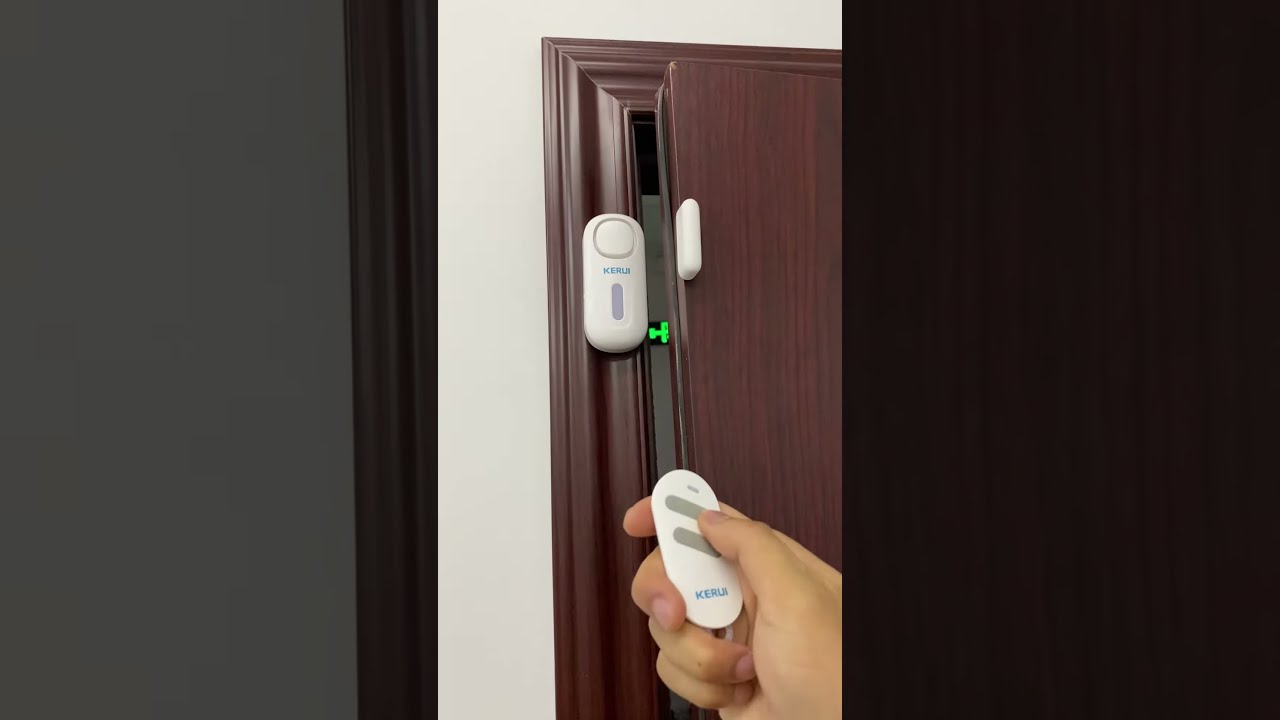
A short, practical checklist for Fremont owners planning an upgrade
- Confirm compliance with security camera laws in California: no recording in private areas, disable audio unless you have consent and signage, post visible notices. Walk the site after dusk and map three targets: faces at doors, plates at choke points, and the interior path thieves would take. Choose monitoring with video verification and test a real alarm workflow, including live audio talk-down if available. Align lighting and camera settings for night performance, not just daytime clarity, and set a retention period that matches your risk and insurance needs. Schedule a follow-up tuning visit two to four weeks after go-live and again at the six-month mark to cut false alerts and tighten analytic rules.
The bottom line for Fremont businesses
Security works best when it matches the city’s specific rhythms. Fremont neighborhood safety is generally strong compared with many Bay Area peers, but property crime remains a steady pressure, especially after hours and in shared parking environments. Spending on high-spec cameras without verified alarms and proper lighting is a mistake I see too often. Tie your system to how incidents actually happen here: short, fast, and focused on rear entries, lots, and predictable closures.
Talk with providers who can show Fremont references, who understand local alarm response systems, and who can articulate the trade-offs between on-prem NVRs and cloud storage for your bandwidth and privacy posture. Use data retention policies that respect privacy and support investigations. Coordinate with neighbors and tap Fremont safety initiatives when they help you tighten the perimeter.
Security is not a single purchase, it is a rhythm of prevention, verification, and adjustment. When you ground decisions in real Fremont business security statistics and the on-the-ground reality of how crimes unfold, the upgrades you make pay off in fewer incidents, faster resolutions, and calmer workdays.